Every hotel claims to care about the guest experience. Far fewer can explain how they actually create it, sustain it and improve it. For the great general manager, guest experience is not a slogan on a values poster or a quarterly initiative — it is the product itself. Rooms and rates are the price of entry; the experience is what earns loyalty, drives rate premiums and turns guests into advocates. This article looks at the strategies that genuinely move the needle on guest experience, drawn from how the best operators lead.
Strategy One: Build the Culture Before the Standards
Service standards matter, but they are downstream of culture. A team that feels respected, trusted and proud will deliver warmth that no checklist can manufacture; a team that feels squeezed and unseen will deliver compliance at best. The great GM understands this causal chain and starts upstream — with how colleagues are treated, recognised and developed. The internal experience becomes the external experience. You cannot consistently delight guests with a disengaged team, no matter how detailed your service standards are.
This is why guest-experience leadership begins with people leadership. The GM who walks the back of house, eats in the staff canteen, learns colleagues' names and celebrates their wins is, whether they frame it this way or not, investing directly in guest satisfaction.
Strategy Two: Empower the Front Line to Act
Guests do not experience the org chart; they experience the colleague in front of them. When that colleague has to say "let me check with my manager," the moment is already lost. The most service-led hotels in the world give their front-line teams genuine authority to solve problems, make decisions and create surprises — within clear guardrails. Empowerment is not chaos; it is trust plus training plus clear boundaries.
- Give a recovery budget that front-line colleagues can deploy without sign-off.
- Train for judgement, not just procedure, so colleagues know how to read a situation.
- Celebrate the right risks, including the well-intentioned ones that did not quite land.
- Remove the friction — the policies and approvals that slow down a simple "yes" to a guest.
Empowerment also transforms the colleague experience. A team trusted to act takes genuine ownership of the guest's happiness, rather than hiding behind policy and passing problems upward. This sense of agency is energising and motivating; people who feel trusted bring more of themselves to the work. The hotels with the most empowered front lines tend to have both the happiest guests and the happiest colleagues, because empowerment and engagement reinforce one another. The GM who builds this culture is investing simultaneously in guest experience and in retention.
Strategy Three: Master the Art of Recovery
Things will go wrong. The chiller fails, the flight is delayed, the room is not ready, the order is missed. Counter-intuitively, a guest whose problem is recovered brilliantly often becomes more loyal than one whose stay was flawless. The great GM builds a recovery culture where problems are surfaced fast, owned without defensiveness, and resolved generously. They treat complaints as gifts — direct, free intelligence about where the operation is failing — and they make it psychologically safe for colleagues to report them.
The opposite culture, where problems are hidden to avoid blame, is corrosive. It produces guests who never complain and never return, and a leadership team that is the last to know what is broken. The GM sets the tone here entirely: if the leader greets bad news with curiosity rather than anger, the truth flows upward and the operation improves.
A flawless stay earns satisfaction. A problem solved with grace earns loyalty. The hotels guests rave about are rarely the ones where nothing went wrong — they are the ones where everything wrong was made right.
Strategy Four: Personalise at Scale
The deepest guest loyalty comes from feeling known. The challenge is delivering that feeling across thousands of guests a year. Great GMs solve this with a blend of technology and human discipline: a guest-profile system that actually gets used, a daily briefing that flags VIPs and returning guests, and a culture where colleagues capture and share preferences. The goal is for a returning guest to feel recognised without ever being asked the same question twice — the room temperature they like, the table they prefer, the anniversary they mentioned last year.
Strategy Five: Measure What Matters — and Act on It
Guest experience is not a feeling to be hoped for; it is an outcome to be managed. The best GMs watch the right indicators — satisfaction scores, review sentiment, repeat-guest ratios, recovery rates — and crucially, they close the loop. Data without action is theatre. The GM who reads every review, shares the themes with the team, and visibly fixes the recurring issues builds an operation that gets better every month. The one who reports the scores but never changes the operation simply watches the same problems recur.
Strategy Six: Design the Journey, Not Just the Touchpoints
Guests do not experience a hotel as a series of separate transactions; they experience it as a single journey, from the first online search to the final farewell and the follow-up afterward. Yet most operations are organised around isolated touchpoints — reservations, arrival, housekeeping, dining — each managed by a different team with its own priorities. The great GM thinks in journeys, mapping the entire arc of a guest's experience and hunting for the friction points, the dead moments and the missed opportunities that sit in the gaps between departments.
This journey lens reveals problems that touchpoint thinking hides. A flawless check-in means little if the guest then waited forty minutes for luggage. A wonderful dinner is undermined if the bill took twenty minutes to arrive. The GM who walks their own guest journey regularly — sometimes anonymously — feels these seams the way a guest does and leads the cross-department coordination to smooth them. This is why guest experience can never be delegated to a single department; only the leader who owns the whole journey can perfect it.
Strategy Seven: Create Signature Moments
Memory is not evenly distributed across an experience. Guests remember the peaks and the endings far more than the average. The most loved hotels in the world understand this and engineer deliberate signature moments — the welcome that surprises, the unexpected gesture that delights, the farewell that lingers. These do not have to be expensive. A handwritten note, a child's name remembered, a small celebration of an anniversary the guest mentioned in passing — these tiny, human touches create the stories guests tell for years.
The great GM builds a culture and a budget that encourage these moments rather than smother them in policy. They give colleagues permission and the means to surprise, and they celebrate the stories loudly so the behaviour spreads. Over time, a hotel known for these moments earns something money cannot buy: genuine emotional loyalty.
Guests forget the average and remember the extremes. Engineer the peaks, perfect the ending, and you will be remembered long after a flawless-but-forgettable stay has faded.
Strategy Eight: Listen in Every Channel, Everywhere
Guests today share their experience constantly — in reviews, on social platforms, in surveys and in direct conversation. The great GM treats all of this as a continuous stream of intelligence and listens across every channel with genuine attention. They read the reviews themselves rather than delegating it, watch the sentiment trends, and notice the difference between an isolated grumble and a recurring theme that signals a real operational problem. Listening at this depth lets a leader fix issues before they spread and spot the emerging expectations that will define the next phase of guest experience.
Listening is also a service act in itself. A guest who leaves critical feedback and receives a thoughtful, personal response — and sees the issue genuinely addressed — often becomes more loyal than one who never had a problem. The GM who builds a habit of responding personally to feedback, good and bad, signals that the property truly cares what guests think. In a world of automated, templated replies, the human response stands out and earns trust.
Strategy Nine: Make Consistency the Hallmark
For all the emphasis on signature moments and delight, the deepest driver of guest loyalty is reliability. Guests return to hotels they can trust — where the experience they loved last time will be there again, regardless of the day or the team on shift. Inconsistency is the silent killer of guest experience: a brilliant stay followed by a mediocre one teaches a guest that excellence here is a gamble. The great GM understands that consistency is itself a feature, perhaps the most valuable one, and they build the standards, training and culture that deliver the promised experience every single time. The peaks create the stories; the consistency creates the loyalty.
Recognising experience leadership
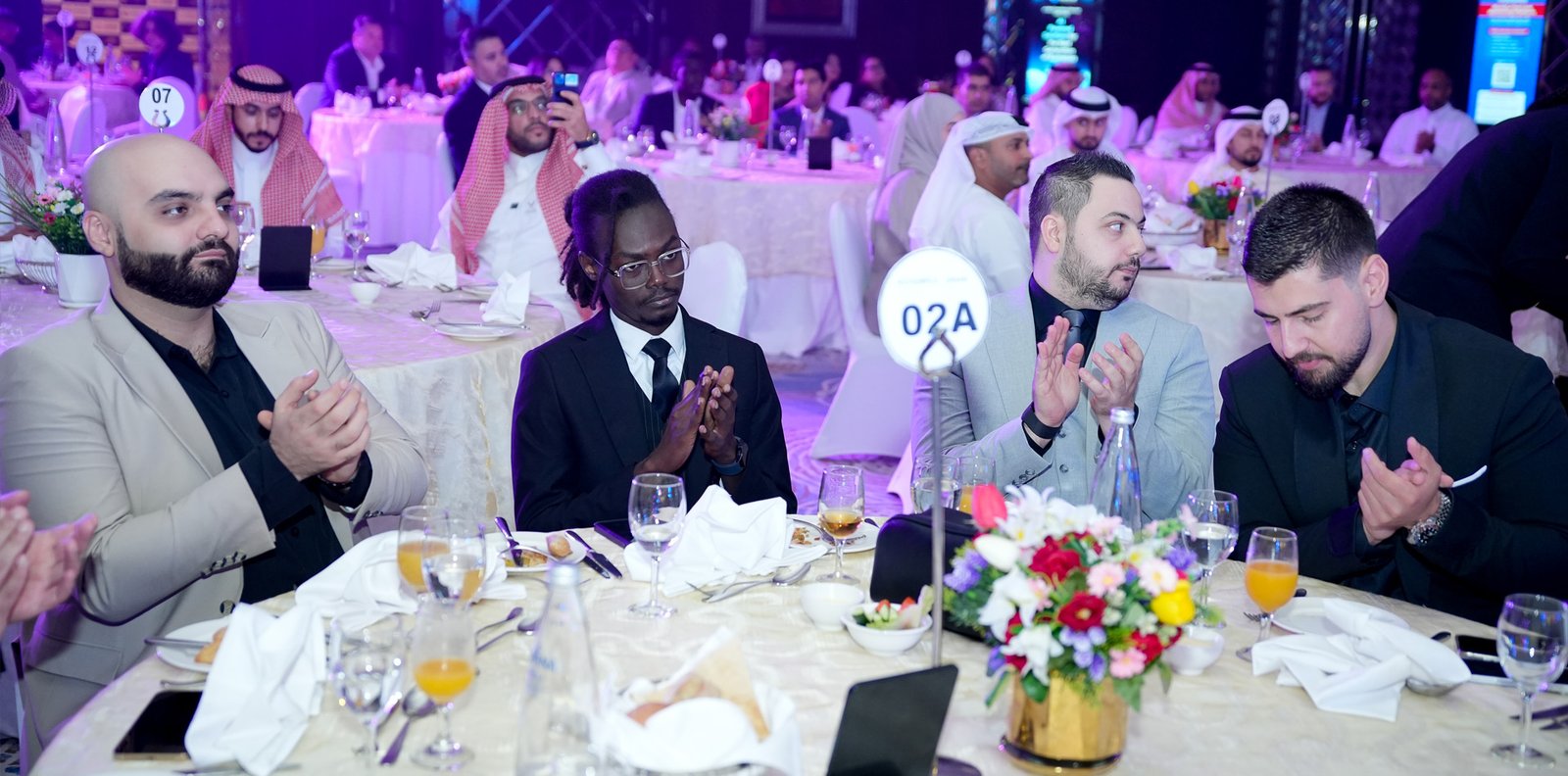
Customer Satisfaction and Guest Experience sit at the heart of how the finest general managers are evaluated. The strongest nominations pair the scores with the story — the culture built, the recovery handled, the loyalty earned. Independent, merit-based recognition gives this often-invisible craft the credibility it deserves and sets a benchmark the whole industry can learn from.
If a GM you know has turned guest experience into a competitive advantage, Nominate an exceptional General Manager today and give world-class leadership the independent, merit-based recognition it deserves.