Luxury hospitality has always been a moving target. What felt opulent a decade ago — marble, gold leaf, a butler at every turn — no longer guarantees a premium in a world where the wealthiest travellers can buy anything except time, authenticity and meaning. As we move through 2026, the definition of luxury is shifting again, and with it the expectations placed on the general managers who lead the world's finest hotels. The most successful luxury leaders are not clinging to old playbooks; they are anticipating where discerning guests are heading next. Here are the trends defining the year.
From Service to Genuine Personalisation
Flawless service is now the baseline, not the differentiator. The new frontier of luxury is personalisation so deep it feels like clairvoyance — the room set exactly to a returning guest's preferences before they ask, the dietary need anticipated, the celebration remembered from two years ago. Achieving this at the highest level requires GMs to lead a marriage of human intuition and intelligent data: a guest-profile culture where every colleague contributes, supported by systems that surface the right insight at the right moment. The luxury leader of 2026 treats guest data as a sacred trust to be used for delight, never for intrusion.
Wellness Moves to the Centre
Wellness has graduated from an amenity to a reason to travel. Affluent guests increasingly choose properties for sleep programmes, longevity and medical-wellness offerings, nutrition, fitness and mental restoration. For the luxury GM this means leading a far more sophisticated wellness operation — recruiting genuine experts, partnering with credible practitioners, and weaving wellbeing through the entire guest journey rather than confining it to the spa. The hotels that win the wellness-minded traveller are those whose leadership treats it as core strategy, not a side business.
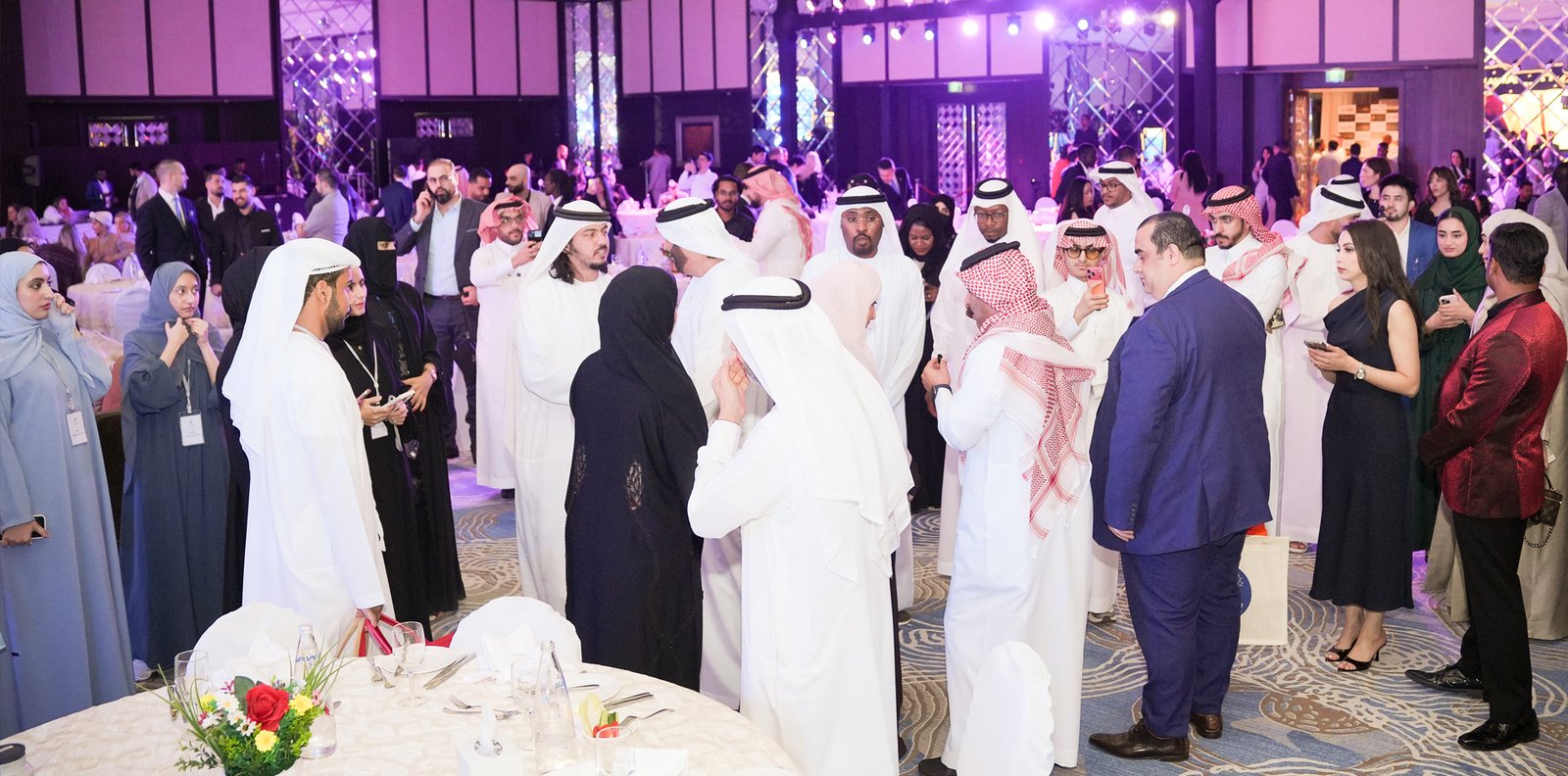
The forces reshaping luxury leadership this year
- Experiential over material. Guests increasingly value access, story and transformation over thread count.
- Sustainability as expectation. Discerning guests now ask harder questions about a property's footprint.
- Technology that disappears. The best tech is invisible, removing friction without removing the human touch.
- The rise of the multi-generational and solo luxury traveller. One offer no longer fits all.
- Talent as the ultimate luxury. In a tight market, the calibre of the team is the brand.
Crucially, this wellness shift is reshaping commercial strategy as well as the guest experience. Wellness-led guests stay longer, return more often and spend more across the property, and they are loyal to operators who deliver real, credible results rather than spa-menu theatre. The GMs leading this trend invest in genuine expertise and meaningful programming, understanding that superficial wellness offerings are quickly seen through by an increasingly informed clientele. Done authentically, wellness becomes both a powerful differentiator and a durable revenue stream that strengthens the whole business.
Sustainability as a Mark of True Luxury
For the modern luxury guest, conspicuous waste is no longer impressive — it is embarrassing. Sustainability has moved from a compliance checkbox to a genuine expression of quality and care. The luxury GM of 2026 leads on responsible sourcing, energy and water stewardship, the elimination of single-use waste, and authentic engagement with the local community and environment. Crucially, they do this without sacrificing the experience; the art is in making sustainability feel like enhanced luxury rather than a guest concession. Owners increasingly expect it too, recognising that a responsible asset is a more valuable and future-proof one.
The new luxury is not about having more. It is about meaning, authenticity and care — for the guest, the colleague, the community and the planet. The leaders who understand this will define the next decade.
Technology That Serves the Human Touch
There is a paradox at the heart of luxury technology: the best of it makes the experience feel more human, not less. Seamless mobile journeys, intelligent systems that free colleagues from administration so they can spend time with guests, and data that powers personalisation are all transforming the luxury operation. The mistake to avoid — and the one great GMs guard against — is technology that replaces warmth with efficiency. In luxury, automation should liberate the human moments, never eliminate them. The leader's job is to deploy technology with taste and restraint.
The Evolving Role of the Luxury GM
All of this is expanding the role of the general manager. The luxury GM of 2026 must be a brand storyteller, a sustainability champion, a wellness strategist, a technology curator and a culture builder — on top of the timeless disciplines of operations, finance and service. It is a more demanding role than ever, and a more influential one. The leaders who thrive are those who stay relentlessly curious, who travel and learn, and who treat their own development as seriously as they treat their property's.
The Experience Economy Comes to Luxury
Affluent travellers are increasingly spending on experiences rather than possessions, and luxury hotels are responding by becoming curators of access and transformation rather than merely providers of beautiful rooms. In 2026 the most desirable luxury properties offer their guests entry into worlds they could not otherwise reach — private cultural encounters, expert-led adventures, culinary experiences with renowned chefs, and connections to the authentic life of a destination. The room becomes the base camp; the experience becomes the reason to choose one property over another.
For the GM this is a significant strategic shift. It demands deep local knowledge, a curated network of partners, and a team capable of designing and delivering bespoke experiences flawlessly. It also creates new commercial opportunity, since experiences carry margin and differentiate a property in ways that physical product alone no longer can. The luxury leaders pulling ahead in 2026 are those who treat experience design as a core competency rather than an add-on.
The Talent Imperative as the Ultimate Differentiator
In a sector where the product is delivered by people, the scarcity of exceptional talent has become the defining strategic challenge of luxury leadership. The most beautiful hotel in the world cannot deliver luxury without colleagues who embody it, and those colleagues are harder than ever to attract and retain. The luxury GMs winning in 2026 treat their employer brand as seriously as their guest brand. They invest in development, wellbeing, culture and career paths that make their property the place the best people want to work.
This is also where the luxury and sustainability agendas meet the human one. A new generation of talent wants purpose, growth and respect as much as pay, and they gravitate to leaders who provide it. The luxury GM who builds a magnetic culture secures the single ingredient that no competitor can copy — and in doing so, secures the guest experience itself.
You cannot deliver a six-star experience with a four-star team. In luxury, the war for talent is the war for the guest, and the leaders who win the first will win the second.
Design and a Renewed Sense of Place
Luxury guests in 2026 are increasingly drawn to properties with a strong, authentic sense of place — hotels that could exist nowhere else, rooted in their location's culture, craft, cuisine and story. The era of the interchangeable international luxury box is fading; in its place rises a demand for individuality, locally inspired design, regional artistry and a genuine connection to the destination. For the GM, this means leading a property that expresses its location with confidence rather than diluting it into a generic global template, and ensuring the team can tell the story of place authentically.
This trend rewards leaders with cultural sensitivity and creative courage. The most celebrated luxury hotels of the moment are those that feel deeply of their place — in their architecture, their art, their food and their service rituals. The GM who champions this distinctiveness, resisting the temptation to homogenise, builds a property guests choose precisely because it offers something they cannot find anywhere else.
The Blurring of Hospitality and Lifestyle
Another defining shift is the dissolving boundary between the hotel and the wider lifestyle of its guests and community. Leading luxury properties in 2026 increasingly function as social and cultural hubs — destinations for residents and visitors alike, with restaurants, bars, wellness facilities, retail and events that draw a community beyond the in-house guest. For the GM this expands the commercial opportunity and the brand-building potential, but it also demands a broader skill set: programming, partnerships, food-and-beverage creativity and a feel for cultural relevance. The luxury leaders ahead of this curve are those who see their property not as a closed enclave but as a living part of the city or destination around it.
Recognising the leaders shaping the future
Innovation and Industry Contribution are among the criteria that distinguish the most forward-thinking general managers. As luxury is redefined, the leaders pioneering these shifts deserve recognition that is independent and merit-based — a credible signal to owners, peers and guests that they are not just keeping pace with the future of luxury but helping to shape it.
If a leader you admire is redefining what luxury hospitality means, Nominate an exceptional General Manager today and give world-class leadership the independent, merit-based recognition it deserves.