The tourism industry has never stood still, but the pace of change confronting today's leaders is without precedent. In the span of a single decade, the people responsible for steering destinations, attractions and visitor economies have had to absorb climate volatility, a global health crisis, the rise of artificial intelligence, and a profound shift in what travellers expect from the places they choose to visit. The leaders who have emerged from this period are not simply administrators of arrivals and departures. They are stewards of culture, custodians of fragile environments, and architects of experiences that increasingly define how communities prosper. Understanding what tourism leadership means in a changing world is the first step toward recognising the individuals who do it exceptionally well.
From Volume to Value
For much of the modern history of tourism, success was measured in raw numbers. Higher visitor counts, fuller flights, longer average stays and rising occupancy rates were the metrics that defined a thriving destination. That logic served the industry well during decades of expansion, but it has reached its limits. Many of the world's most beloved destinations have discovered that unmanaged growth carries a heavy cost: overcrowded historic centres, strained infrastructure, displaced residents and eroded authenticity. The leaders who now command respect are those who have shifted the conversation from volume to value.
Value-led tourism asks a more sophisticated question. Instead of how many people can we attract, it asks what kind of visitor creates the most enduring benefit for our community, our culture and our environment. This reframing has consequences across every dimension of destination management. It changes marketing strategies, reshapes investment priorities, and forces difficult decisions about which markets to court and which to deliberately moderate. It is far easier to chase growth than to manage it wisely, which is precisely why the leaders who succeed in this discipline deserve recognition.
Sustainability as a Leadership Mandate
Sustainability has moved from the margins of tourism strategy to its very centre. What was once a public relations footnote is now a core leadership mandate, scrutinised by travellers, regulators, investors and the communities who live alongside tourism economies. The most effective tourism leaders understand that sustainability is not a single initiative but a way of thinking that permeates every decision, from energy procurement and water stewardship to the design of itineraries that distribute visitors across seasons and geographies.
Crucially, genuine sustainability leadership resists the temptation of superficial gestures. The industry has seen no shortage of recycled-towel programmes and tree-planting photo opportunities that change little in practice. Authentic leaders measure their impact honestly, set targets that stretch their organisations, and report progress with transparency even when the numbers are uncomfortable. They recognise that the natural and cultural assets on which tourism depends are finite, and that protecting those assets is not a constraint on business but the foundation of its long-term survival.
Technology and the Human Touch
No discussion of contemporary tourism leadership would be complete without confronting the transformative role of technology. Artificial intelligence now powers everything from dynamic pricing and demand forecasting to personalised trip planning and real-time visitor flow management. Data analytics give destination managers a granular understanding of where people go, how long they stay and what they value. Mobile platforms have collapsed the distance between inspiration and booking, allowing a fleeting moment of curiosity to become a confirmed reservation in seconds.
Yet the leaders who excel in this environment are those who understand that technology is a tool, not a substitute for human judgement and hospitality. The traveller of today is more connected and more informed than ever, but also more discerning. They can detect the difference between an experience optimised purely for efficiency and one designed with genuine care. The art of modern tourism leadership lies in deploying powerful technology in service of a deeply human goal: making people feel welcome, understood and enriched by the places they visit.
Balancing Automation and Authenticity
The most thoughtful leaders draw a clear line between the functions that benefit from automation and the moments that demand a human presence. Routine transactions, administrative processes and logistical coordination are increasingly handled by intelligent systems, freeing teams to focus on the encounters that travellers remember. A seamless check-in process matters, but it is the warmth of a concierge who anticipates a guest's needs, the knowledge of a guide who brings a place to life, and the generosity of a community that opens its doors that ultimately define a great destination.
Leading Through Uncertainty
Perhaps the defining characteristic of tourism leadership in the current era is the capacity to lead through uncertainty. The events of recent years have demonstrated how quickly the ground can shift beneath the industry's feet. Borders close, weather patterns disrupt, economic conditions tighten, and consumer confidence rises and falls in ways that defy easy prediction. Leaders no longer have the luxury of assuming that next year will resemble this one.
Resilient leadership in tourism rests on several foundations. It requires diversification, so that no single market or segment can destabilise an entire economy. It demands agility, the ability to redeploy resources and rethink strategy at speed. And it calls for emotional intelligence, because the people who work in tourism, often in front-line roles, bear the brunt of disruption and need leaders who can steady and inspire them. The leaders who guided their organisations and destinations through recent shocks did not do so by luck. They did so through preparation, judgement and a clear sense of purpose.
Across all of these dimensions, a consistent set of qualities distinguishes the tourism leaders who genuinely change their industries:
- A clear vision that places long-term community and environmental wellbeing above short-term gains.
- The courage to make unpopular decisions, including limiting growth where it threatens sustainability.
- Fluency in technology paired with an unwavering commitment to human-centred hospitality.
- Transparent accountability for environmental and social impact, supported by honest measurement.
- The ability to build and motivate teams that deliver excellence under pressure.
- A collaborative instinct that bridges the public and private sectors in service of shared goals.
The finest tourism leaders are not those who simply respond to a changing world. They are the ones who anticipate it, shape it, and leave their destinations more resilient, more authentic and more cherished than they found them.
Why Recognition Matters
In an industry that touches the lives of billions and sustains the economies of entire nations, the people who lead with vision and integrity often work without the recognition their contributions deserve. Tourism leadership is frequently invisible to the public, hidden behind the seamless experiences that travellers take for granted. A well-managed destination feels effortless precisely because someone has done the difficult work of making it so.
Merit-based recognition serves a purpose far beyond celebration. Through a rigorous process of Jury Evaluation and Independent Assessment, recognition identifies and elevates the practices that the wider industry should emulate. It sets benchmarks for excellence, inspires the next generation of leaders, and signals to travellers and communities alike that leadership of the highest standard is being held to account. When recognition is earned through a credible Merit-Based Review rather than popularity, it carries genuine weight and lasting credibility.
The Road Ahead
The world that tourism leaders navigate will continue to evolve. New technologies will reshape how people discover and experience destinations. Climate realities will impose fresh constraints and create new responsibilities. Traveller values will keep shifting toward authenticity, meaning and positive impact. The leaders who thrive will be those who treat change not as a threat to be managed but as an opportunity to redefine what excellence in tourism can look like.
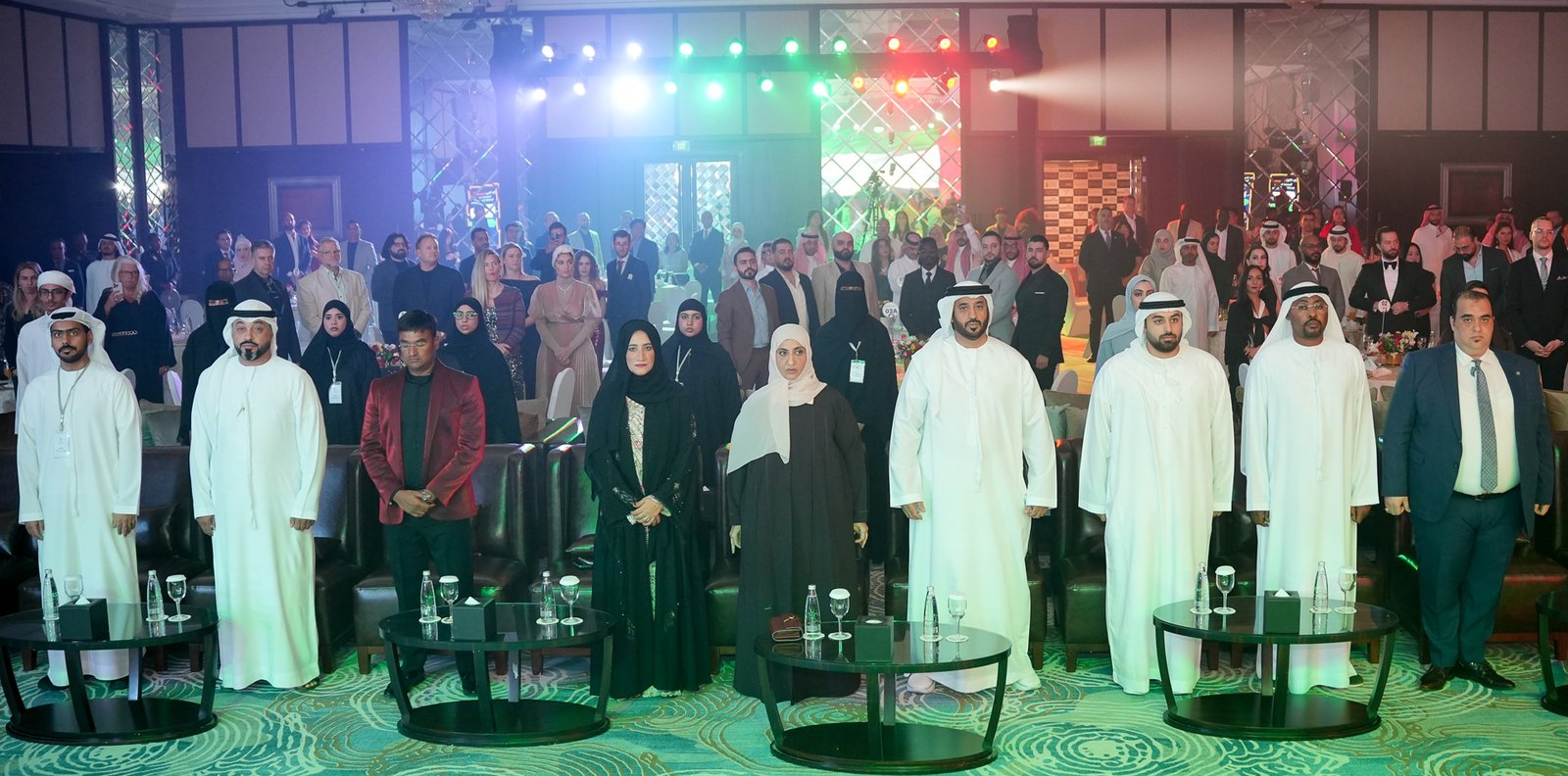
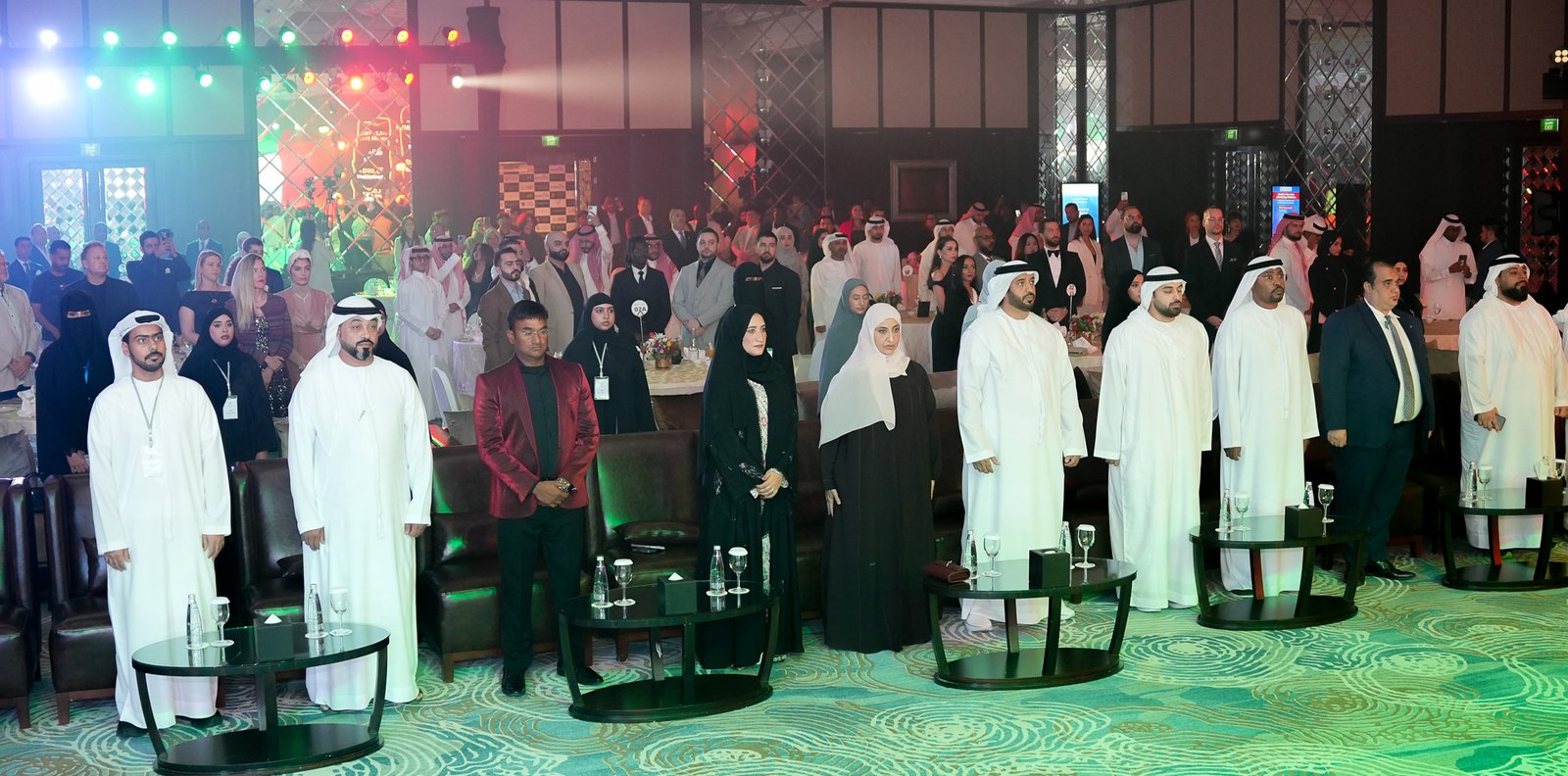
This is the spirit that animates the World GM Awards. By honouring the individuals whose leadership has measurably advanced their destinations, their teams and their communities, the awards affirm a simple but powerful conviction: that the future of tourism belongs to those who lead with courage, integrity and an unshakeable commitment to doing things well. The gala recognition ceremony at The Westin Dubai Mina Seyahi on 14 November 2026 will bring together the people who embody these ideals from across the globe.
If you know a tourism leader whose work has set a new standard, or if your own contributions deserve to be assessed against the most credible benchmarks in the industry, we invite you to take the next step. Submit a nomination today and join a community of leaders who are shaping the future of travel in a changing world.