Walk into a great hotel and you can feel it within ninety seconds — before you reach the desk, before a single word is exchanged. The lobby is calm but alive. The doorman remembers a face. The carpet is spotless, the lighting is warm, and the colleague who greets you looks genuinely pleased you arrived. None of that happens by accident. Behind every property that feels effortlessly excellent stands a general manager who has built the systems, the standards and the culture that make excellence repeatable. The question every owner, every guest and every aspiring leader eventually asks is simple: what actually makes a great hotel general manager?
It is tempting to answer with a list of competencies — finance, operations, sales, service. Those matter, and we will get to them. But the truth is that great GMs are not defined by what they know. They are defined by how they hold an extraordinary range of responsibilities in balance, every single day, without letting any one of them collapse the others. The best in the world make this look easy. It is not.
They Lead People First, Operations Second
The most common mistake a rising operator makes is believing the job is about running a building. It is not. A hotel is a human enterprise — hundreds of colleagues across dozens of departments, each with their own pressures, ambitions and bad days. The great GM understands that every guest experience is delivered by a person, and that person performs to the standard of the culture around them. So the great GM invests relentlessly in people: hiring for attitude, coaching for skill, recognising effort publicly and correcting privately.
Ask any seasoned hotelier who shaped their career and they will name a general manager, not a spreadsheet. The leaders who are remembered are the ones who developed others — who promoted from within, who gave a young supervisor a stretch assignment, who noticed potential before it was obvious. A hotel led this way retains its talent, and a hotel that retains its talent delivers consistency that no amount of process documentation can replicate.
The traits that show up again and again
- Presence. Great GMs are visible. They walk the floor, eat in their own restaurant, and know the names of the people who make the property run.
- Composure under pressure. When the chiller fails on a sold-out night, the team watches the GM's face. Calm is contagious; so is panic.
- Decisiveness with humility. They make the call, own the outcome, and change course quickly when the data says they were wrong.
- Commercial literacy. They read the P&L like a story and connect every line back to a guest or a colleague.
- Genuine curiosity about guests. They treat complaints as intelligence, not annoyance.
They Treat Commercial Performance as a Discipline, Not a Hope
Service excellence without commercial discipline is a charity, not a business. The great hotel GM never apologises for caring about the numbers, because the numbers are what fund the experience, the renovations, the bonuses and the careers. But they are clever about it. They do not chase occupancy at the expense of rate, or rate at the expense of reputation. They understand RevPAR, ADR, GOPPAR and flow-through, and — more importantly — they understand the trade-offs between them.
A great GM will turn away the wrong business to protect the right business. They will defend rate on a compression night and accept a softer mid-week corporate deal that builds a year-round relationship. They build a commercial rhythm with their revenue and sales leaders that looks weeks and months ahead, not just at last night's pickup. The result is not a spike followed by a slump; it is steady, defensible, compounding performance that owners can rely on.
They Build Systems That Outlast Them
There is a revealing test of any leader: what happens when they go on holiday? In a hotel run by a great GM, very little changes — because the standards live in the team and the systems, not in the GM's daily firefighting. Mediocre managers create dependency; great managers create capability. They write the playbook, train the deputies, and then trust them to run the play.
This is also what makes a GM promotable. Owners and brands move their best operators to bigger, more complex assignments precisely because those operators leave behind a property that keeps performing. The legacy of a great GM is not a single great year — it is a hotel that stays great after they have gone.
The best general managers are not the ones who do everything themselves. They are the ones who build a hotel that no longer needs them to be brilliant — and then go and make the next one brilliant too.
They Care About the Details Nobody Else Notices
Greatness in hospitality lives in the margins. The temperature of the lobby at 6am. The two-second delay in answering the phone. The way a housekeeper folds the last towel of a fourteen-hour shift. The great GM has trained their eye to see what guests feel but cannot articulate, and they hold the whole property to a standard that most people would consider exhausting. Yet they make it feel like pride rather than pressure, because they hold themselves to it first.
They Master the Owner Relationship
Behind almost every hotel stands an owner or an asset manager whose capital is at risk and whose confidence must be earned. One of the least visible but most decisive skills of a great GM is the ability to manage this relationship with candour, competence and trust. Owners do not want surprises; they want a partner who tells them the truth early, brings solutions rather than excuses, defends a capital plan with credible numbers, and treats their asset as carefully as if it were their own. A GM who masters this relationship wins the freedom and the investment to lead well. A GM who neglects it, however operationally gifted, finds every decision second-guessed and every plan starved of support.
This is why the best GMs learn to speak two languages fluently — the language of hospitality and the language of finance and asset value. They can move from a conversation about a housekeeper's morale to a discussion of return on a renovation without missing a beat, and they make both audiences feel understood. It is a rare bilingualism, and it is one of the surest markers of a leader ready for the largest, most complex assignments.
They Stay Composed When Everything Goes Wrong
Hotels are theatres of the unexpected. A power failure on a sold-out night, a health scare, a weather event, a key colleague resigning at the worst possible moment, a viral complaint — the great GM is defined less by the absence of crises than by their conduct within them. In the difficult hour, the whole property takes its emotional cue from the leader. A GM who stays calm, communicates clearly, makes decisions and visibly takes ownership steadies hundreds of people and protects both guests and reputation. One who panics, blames or disappears multiplies the damage many times over.
This composure is not coldness. The best leaders feel the pressure as acutely as anyone; they have simply learned to absorb it, contain it and channel it into action rather than transmit it to their team. Colleagues who have weathered a real crisis under a great GM rarely forget it — it is in exactly these moments that loyalty is forged and reputations are made.
They Balance the Long Game with the Daily Grind
The hardest discipline in the GM chair is holding two horizons in view at once. The daily grind of a hotel is relentless and urgent — the arrivals, the complaints, the staffing gaps, the broken equipment — and it can consume every waking hour if a leader lets it. Yet the things that truly determine a property's trajectory are slow and rarely urgent: developing the next generation of leaders, repositioning the brand, renovating the asset, building the commercial base, deepening the culture. The great GM protects time and attention for this long game even while managing the daily storm, because they know that a leader consumed entirely by today's fires never builds tomorrow's success.
This is partly a matter of delegation and trust. The GM who has built strong heads of department and reliable systems can lift their eyes to the horizon, confident the daily operation is in capable hands. The GM who has built dependency instead of capability is trapped in the present, forever reacting, never leading. The ability to work on the business and not only in it is one of the clearest dividing lines between a competent manager and a genuinely great one.
How great GMs are recognised
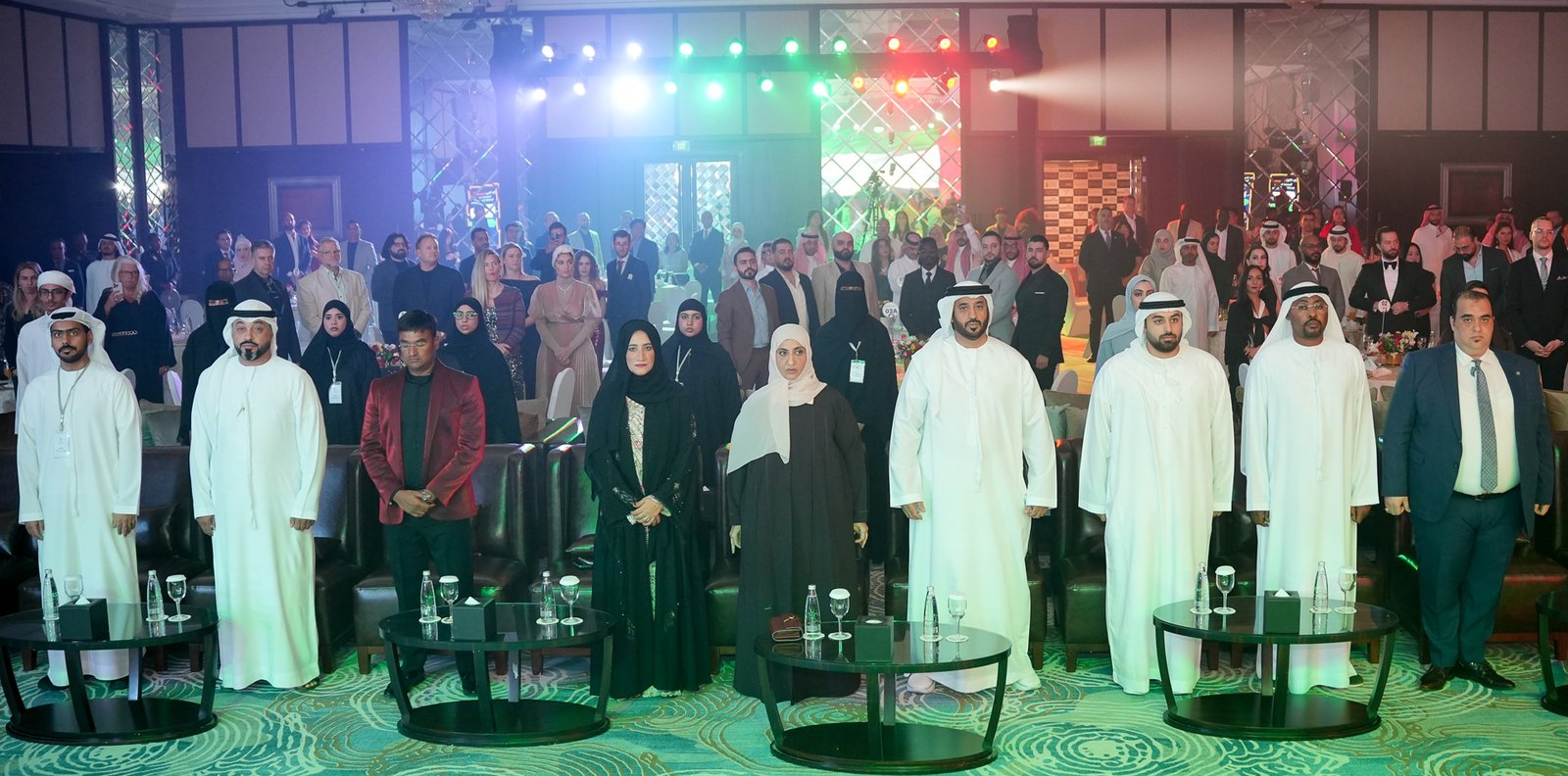
Because so much of a great GM's impact is invisible — the crisis that never happened, the colleague who stayed instead of leaving, the guest who quietly became loyal — the profession needs structured, independent ways to recognise it. That is exactly why merit-based awards matter. Evaluated against criteria such as Leadership Excellence, Financial Performance, Team Development, Customer Satisfaction and Operational Excellence, a credible award puts a name to the leadership that guests feel but rarely see, and gives the wider industry a benchmark to aspire to.
Greatness deserves to be named. Nominate an exceptional General Manager today and give world-class leadership the independent, merit-based recognition it deserves.